FluidSim Lab · UM6P
Biography
I am an Assistant Professor at the College of Computing, Mohammed VI Polytechnic University, where I lead FluidSim Lab. My research lies at the intersection of computational fluid dynamics, applied mathematics and high-performance computing.
My group develops numerical methods and parallel software for high-fidelity simulations of turbulent, reactive and multiphase flows. We use these tools to study problems in clean energy, propulsion and advanced aerodynamic systems.
Research interests
- Computational fluid dynamics
- Turbulence and high-speed flows
- Reactive and multiphase flows
- Scientific computing
At a glance
- Assistant Professor, UM6P
- Principal investigator, FluidSim Lab
- Research team and collaborators
Research
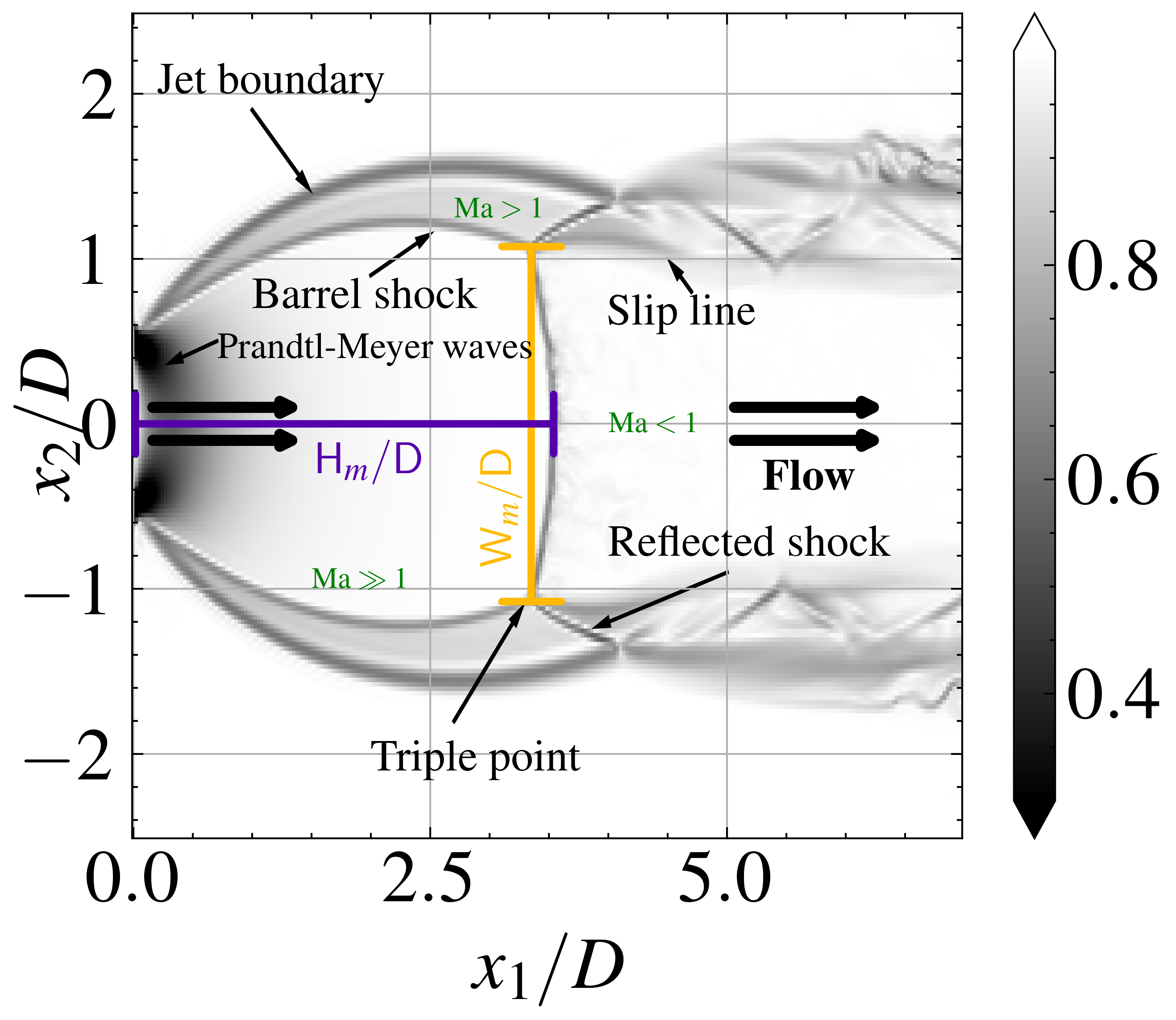
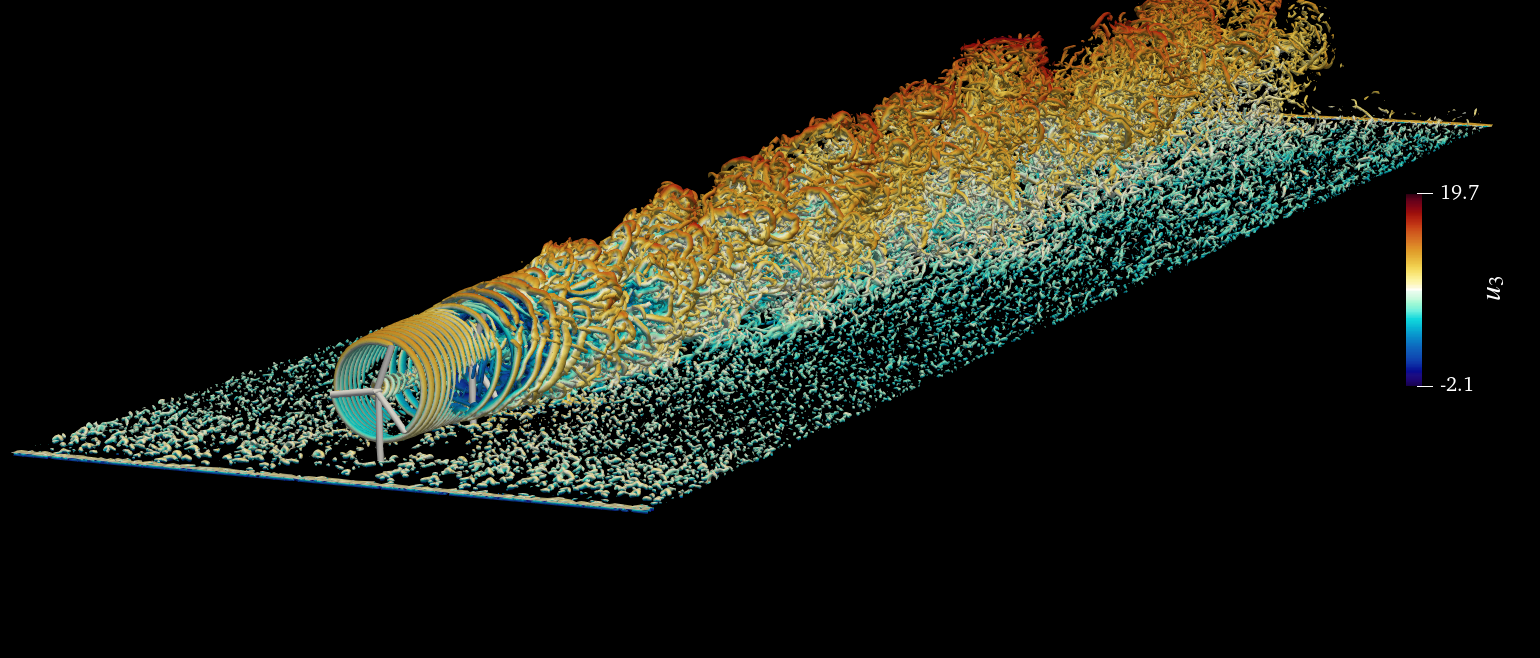
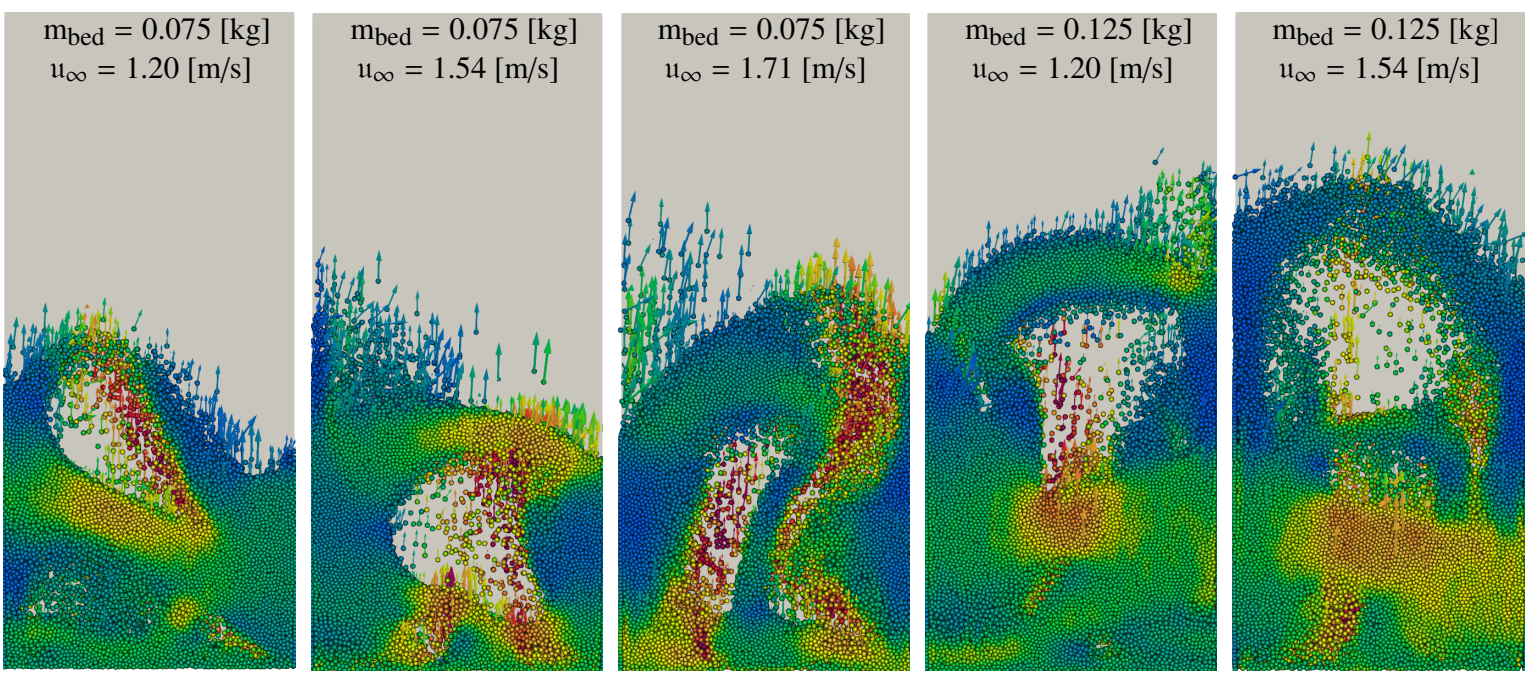
Our work connects fundamental flow physics with predictive engineering. The group studies compressible turbulence and shock interactions, combustion and mixing, particle-laden flows, and accurate numerical methods for large-scale simulation.
Selected publications
All publications →- A combined spectral-geometric framework for inert and reacting shock-driven compressible mixing layers using DMD and optimal transportS. Baaziz and R. Boukharfane · Communications in Nonlinear Science and Numerical Simulation, 2026
- Field observations validate LES-derived scaling of vertical-velocity variance during the afternoon transition of the convective boundary layerO. El Guernaoui, D. Li and R. Boukharfane · Geophysical Research Letters, 2026
- Combined effects of inflow turbulence length scale, intensity, and wind shear on the wake and performance of two aligned wind turbinesA. Bouaziz, R. Boukharfane and M. F. Howland · Journal of Physics: Conference Series, 2026